
Signs Your Dog With Diabetes Is Dying: What to Watch For (Vet Verified)

The most common signs your dog with diabetes is dying include extreme weight loss, lethargy, kidney failure, seizures, and others, which can be shared across multiple conditions. Today, we break down the signs that your dog may be nearing the end, explain how to recognize them, and outline how to make your pet as comfortable as possible during their most critical hours.
Key takeaways:
- Late-stage diabetes in dogs often causes rapid, multi-system decline.
- Warning signs include extreme weight loss, weakness, confusion, breathing changes, and blood sugar crises.
- Complications like DKA and hypoglycaemia are medical emergencies and can be life-threatening.
- Comfort care is appropriate only while your dog remains calm, aware, and relatively comfortable.
- Tracking behavior trends helps owners recognize when quality of life is truly declining.
Understanding Late-Stage Diabetes in Dogs
The overall life expectancy of dogs with diabetes is about 2.6 years, but it depends on when the disease is diagnosed, the treatment administered, and other factors. When diabetes reaches its final stages, changes can happen quickly and mostly involve dogs becoming even quieter and less engaged than usual. What you may see are:
- Severe weakness and lethargy
- Loss of appetite and reduced thirst
- Rapid weight and muscle loss
- Mental dullness or confusion
- Changes in breathing
- Loss of bladder or bowel control
When these behavioral and physical changes occur, it’s about providing your dog with comfort and care to help them through the most difficult times.
Signs Your Dog With Diabetes Is Dying
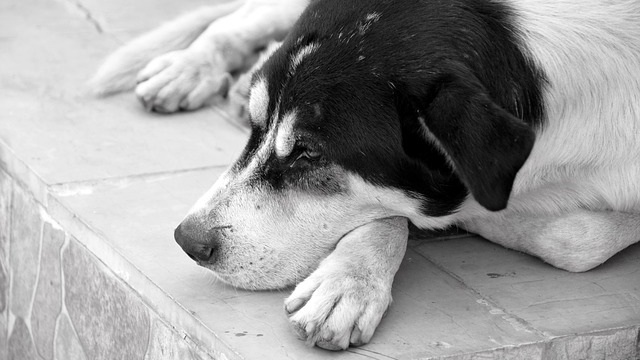
Even with controlled dog diabetes, things don’t always go according to plan. Complications can still occur and, sadly, result in the loss of life. The following are the most common signs your dog with diabetes is dying.
Diabetic Ketoacidosis (DKA)
Diabetic ketoacidosis is a proper medical emergency and one of the most serious complications tied to diabetes. It happens when the body can’t use glucose for energy and starts breaking down fat instead, producing toxic acids called ketones.
The signs that DKA may have ensued:
- Vomiting
- Extreme lethargy
- Dehydration
- Rapid or labored breathing
- Decline in alertness
Hypoglycaemia (Dangerously Low Blood Sugar)
Hypoglycaemia in dogs is the state of low blood sugar or glucose, which is the cell’s main source of power. It can happen when the body can no longer regulate glucose properly. You may begin to notice the following signs if your dog is struggling with the condition:
- Trembling or shivering
- Restlessness
- Unusual hunger
- Weakness
- Seizures
Glucose monitors for dogs are a valuable tool for keeping tabs on the glucose levels and can help you react preemptively, so your dog won’t suffer from these hypoglycaemic episodes that can cause irreversible damage to the brain and may be life-threatening.
Going Blind Due to Cataracts
Diabetes commonly causes cataracts, which can progress quickly and lead to complete blindness. You may notice your dog’s eyes looking cloudy or white, bumping into objects, hesitating in familiar spaces, or showing anxiety when moving around.
Decreased Mobility
As diabetes progresses, muscle loss, nerve damage, and overall weakness usually tag along. Movement becomes increasingly limited, and even actions that your dog used to do with ease are now virtually impossible. If that’s the case, it could indicate the dog’s nearing its end.
Severe Weight Loss
Despite the treatment and the fact that the dog is eating as usual, it could still be losing weight. It’s a sign that the body can no longer use glucose or absorb nutrients from food. Instead, it will resort to burning fat for energy, leading to significant weight loss. The dog’s ribs may start to show, and you’ll see evident muscle loss across its legs first.
Excessive Thirst
Excessive drinking, or polydipsia, is often one of the first signs of diabetes, but in end-stage disease, it can become extreme or suddenly disappear. You may notice frequent urination and drinking, dehydration despite refilling the water bowl all too often, or a sudden loss of interest in water.
Signs Your Dog With Diabetes Is Dying of Old Age vs Disease
Changes that happen because of diabetes, although similar to those that come from old age, are actually faster, more disruptive, and involve multiple body systems at once. Signs your dog with diabetes is dying of old age are more gradual and more predictable. That is the key distinction vets rely on.
If symptoms escalate quickly, stop responding to treatment, or cluster together (mobility loss + appetite loss + mental changes), we are likely talking about an end-stage disease rather than normal aging.
“I got the Maven sensor for my 14-year-old Chihuahua mix with heart and trachea issues. It gave me back peace of mind – I can track her RRR, BPM, drinking, and activity anytime and know instantly if something’s wrong. Highly recommend!”

★★★★★
Chiara De Luca
Titti
Changes in Behavior, Appetite, and Energy
Day-to-day behavior changes accompany the final stages of the disease. Dogs who were once engaged and responsive may become withdrawn, restless, or unusually quiet. Veterinary quality-of-life studies note that late-stage metabolic disease often affects brain function and emotional responsiveness, which explains why some dogs seem “not themselves.”
When your pooch is sleeping longer, has little interest in food, even its most favorite meals, is clingier than usual, it can signal that the body no longer enjoys the balance it once had and that the physical system has begun to shut down.
When Comfort Care at Home Is Appropriate (and When It’s Not)
“In diabetic dogs, subtle changes like increased lethargy, altered breathing, or disrupted sleep often signal declining quality of life. Monitoring trends helps guide compassionate decisions.” — Joana Babo, DVM, Veterinarian at Maven Pet
Comfort care at home can be the right choice when a dog with diabetes is slowing down but still doing generally OK. These dogs may sleep more and move less, yet they remain settled when resting, show awareness of their surroundings, and accept gentle care without signs of distress. Basically, they are still themselves.
However, comfort care stops being appropriate when discomfort becomes the norm instead of the exception. If a dog is repeatedly distressed by blood sugar crashes, struggling to breathe, unable to move without strain, or no longer engaging with their environment, we are looking at signs your dog with diabetes is dying, and treatment at home is no longer working out. Then, it may be the right time to discuss euthanasia.
This is not to say that you ever gave up. It’s more of a medical decision that can prevent further pain.
When to Contact Your Vet or Seek Emergency Care
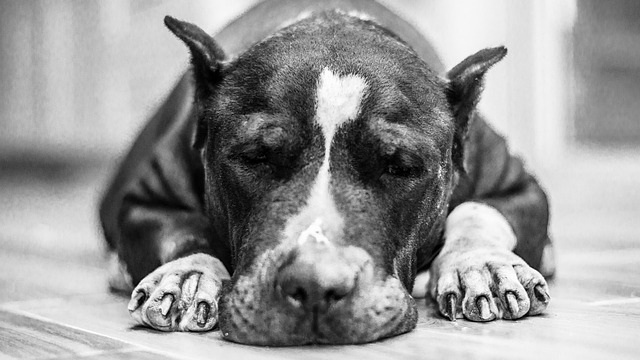
Contact your veterinarian immediately or seek emergency care if your dog with diabetes shows any of the following signs:
- Sudden collapse, seizures, or unresponsiveness
- Rapid, labored, or unusual breathing
- Persistent vomiting or refusal of all food and water
- Extreme lethargy or weakness
- Signs of severe dehydration, such as dry gums, sunken eyes, or minimal urination
- Confusion, disorientation, or sudden behavioral changes
- A strong or unusual odor on the breath, sometimes described as sweet
These signs, especially if they are backed with data from a pet health tracker, often indicate a medical emergency, such as diabetic ketoacidosis or severe hypoglycaemia.
How Maven Pet Helps Monitor End-of-Life Changes
Maven Pet’s dog health tracker helps identify behavioral and state changes earlier by tracking daily behaviors against your dog’s personal baseline. Increases in drinking, more frequent or prolonged urination, constant food-seeking, and ongoing weight loss despite eating are all classic signs that the body is struggling to regulate glucose and energy.

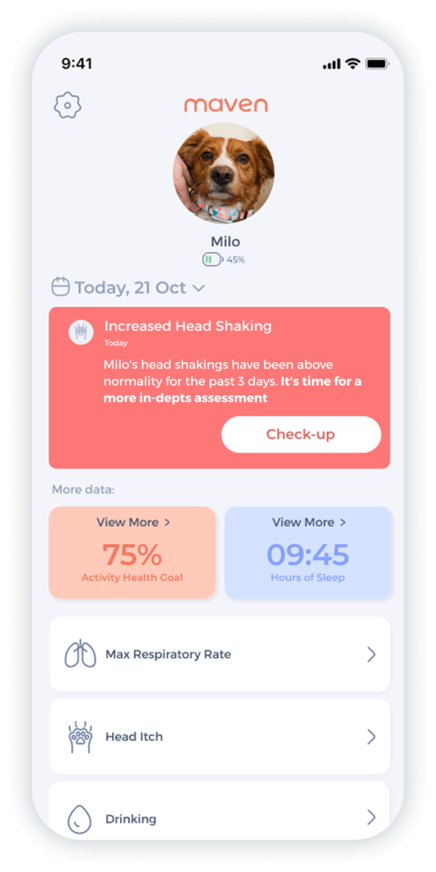
Monitor heart rate, respiratory rate, activity & rest, drinking, itch behavior.
Just as important are the quieter signals. Slowing down on walks, playing less, or sleeping far more than usual can indicate declining strength, while restless nights may point to discomfort or poor metabolic control. Maven’s pet health app can help owners recognize when diabetes is progressing toward a critical stage by turning these patterns into clear trends. No more gut feelings. Just data. Data that can help you and your vet make the right decision.
Conclusion
Watching a dog with diabetes reach the end of life is never easy, with all those physical and behavioral changes that come with later stages of the disease. At that time, comfort, dignity, and relief should take priority. Things that are important for dogs as well as humans. Tools like Maven Pet can help you spot these shifts sooner by turning daily habits into meaningful trends so that you and your vet can make informed and loving, albeit difficult, decisions when they matter the most.
Maven Pet focuses on improving the quality of life of our pets with technology, using artificial intelligence (AI) to enable proactive pet care. By accurately collecting and monitoring pet data 24/7 and flagging any irregularities, Maven Pet empowers pet parents and veterinarians to stay ahead of potential health issues, ensuring the well-being and longevity of our beloved companions.